Ten days, four clocks — 8 minutes, 14 hours,
4 km/h, 1 year.
Not a checklist of sights. Five things they do with their own hands — and that no other itinerary can copy.
Adults measure a country in centuries. Children measure it in things they can hold: a train that outruns a plane, a panda that eats for fourteen hours, a river slow enough to touch, a leaf that took a year to grow. This journey measures China the way a child does.

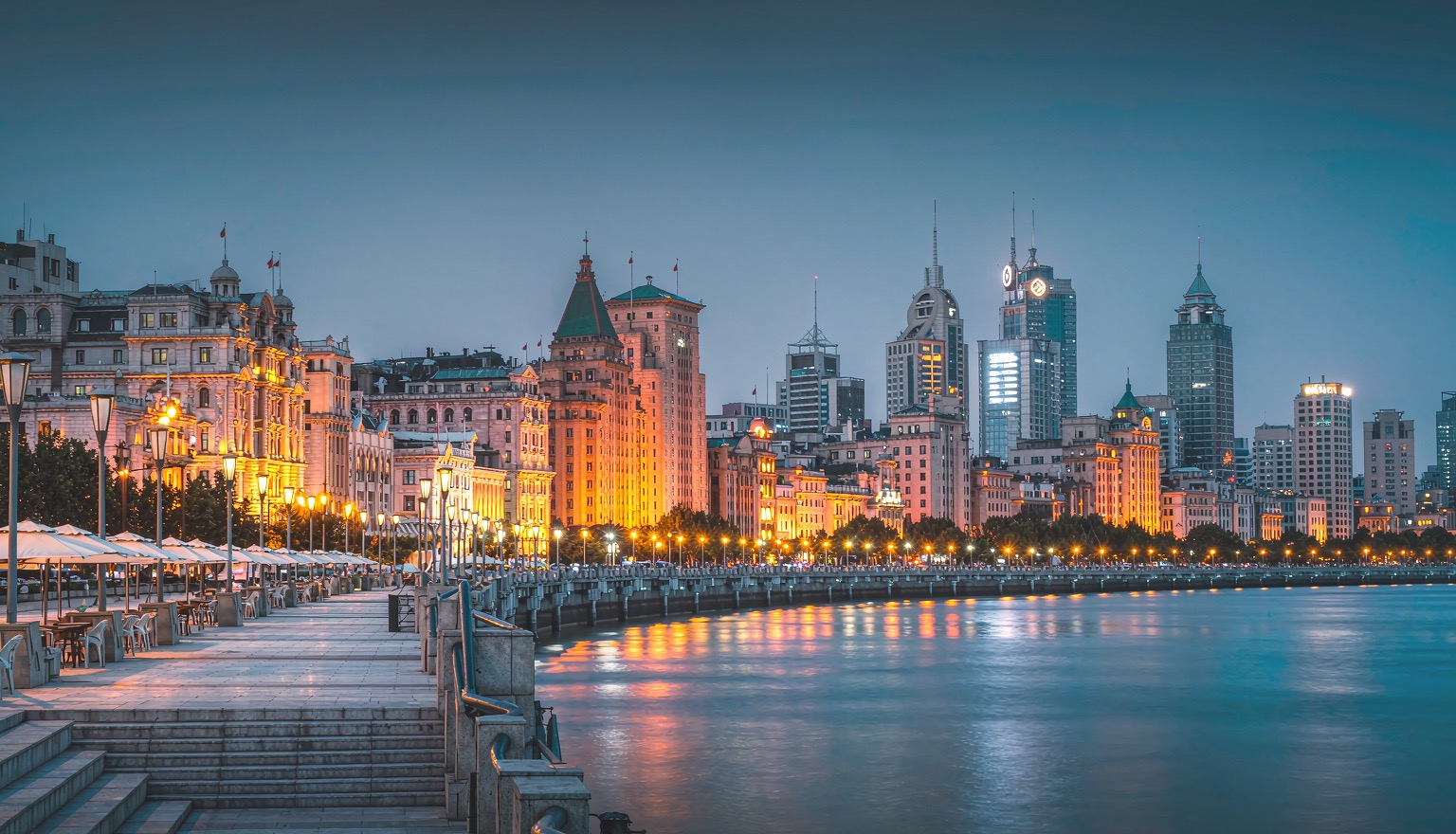
They land at dawn and ride the maglev before breakfast: thirty kilometres in eight minutes, gliding on a cushion of magnetism. That is the whole of Shanghai for this trip — on purpose. The day belongs to sleep, a long breakfast and the hotel pool. And on the last day they ride the same train back to the airport, and a child will say it first: "We rode this one before." Ten days, closed like a circle.

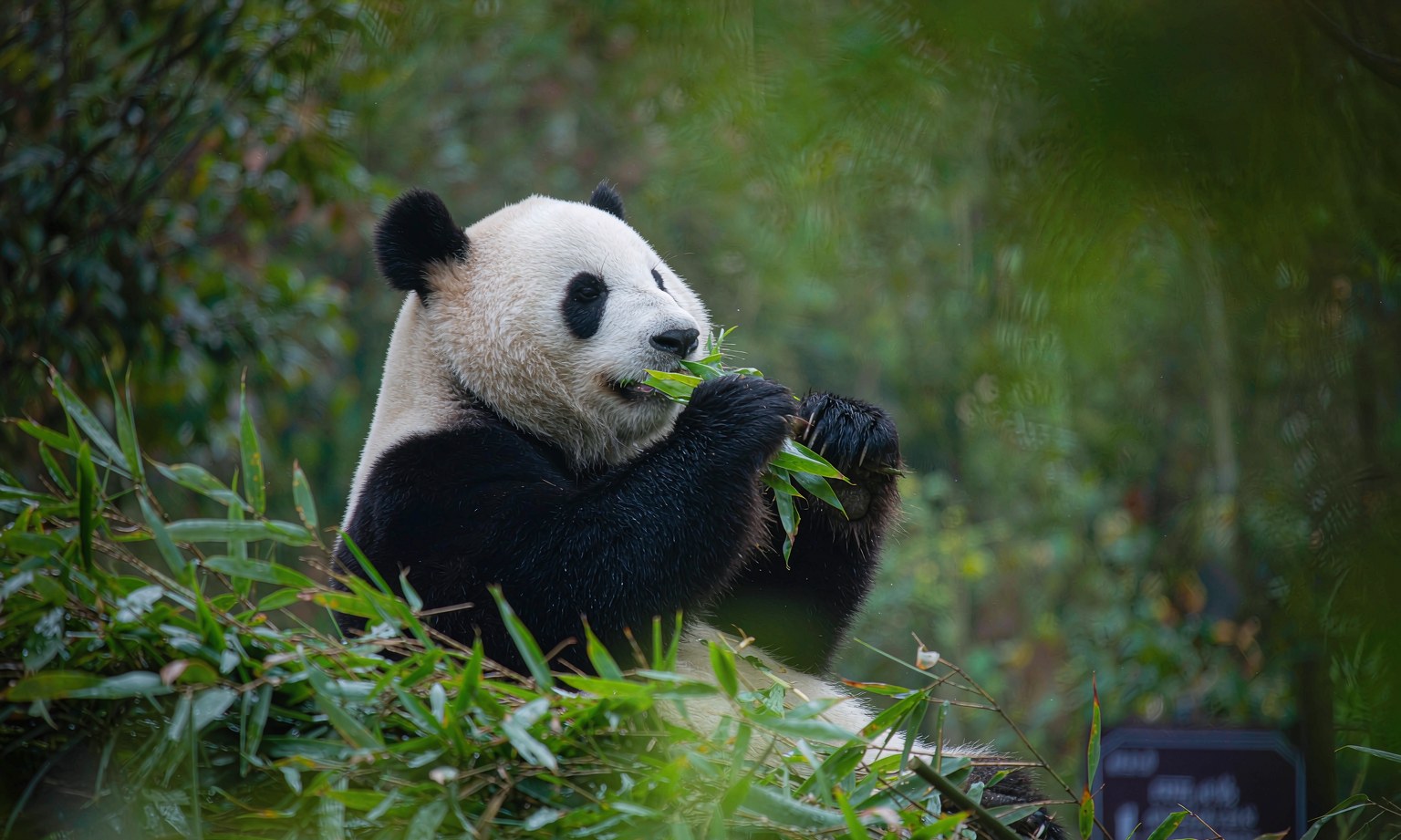
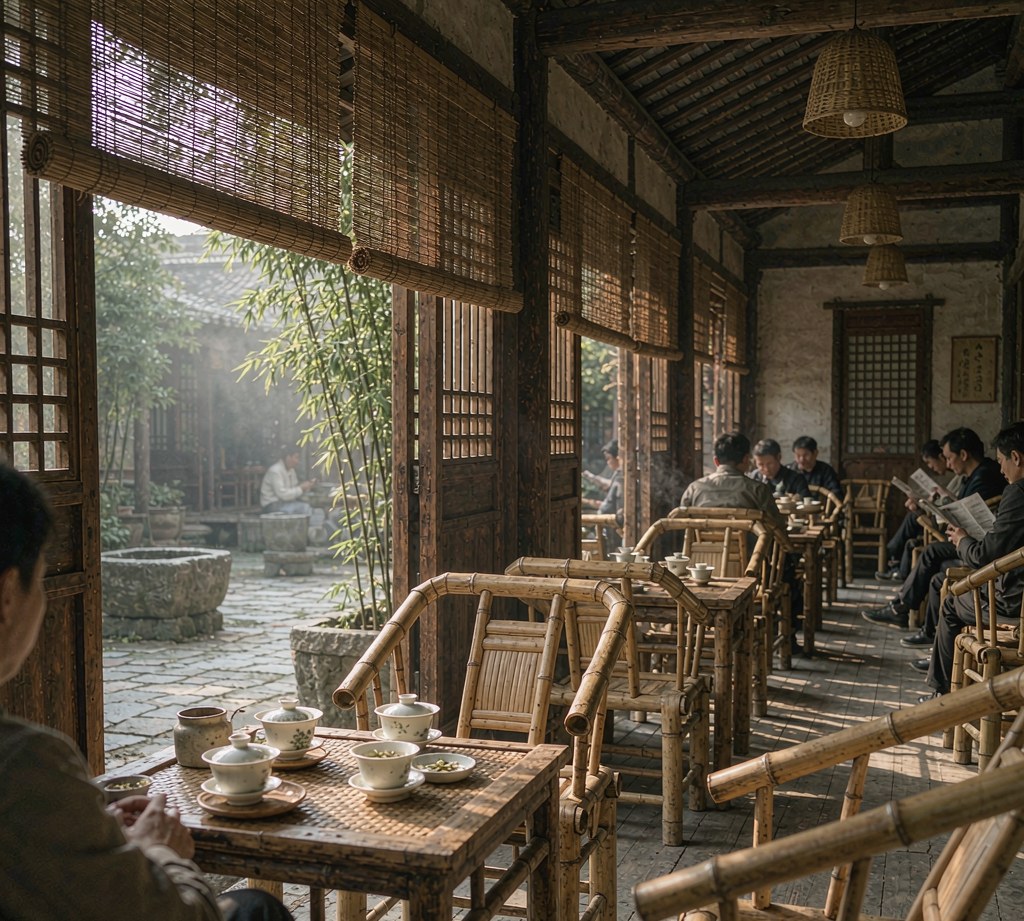
A panda spends fourteen hours a day eating and sleeping, and nobody tells it to hurry. The children are through the gate at 7:30, when the pandas are awake and eating — then back to the hotel for a long nap. In the afternoon they make panda buns with their own hands: two black sesame seeds for the eyes. At a bamboo-chair teahouse, tea is refilled for hours and nobody is in a hurry, and a child will ask why. That question is the point.

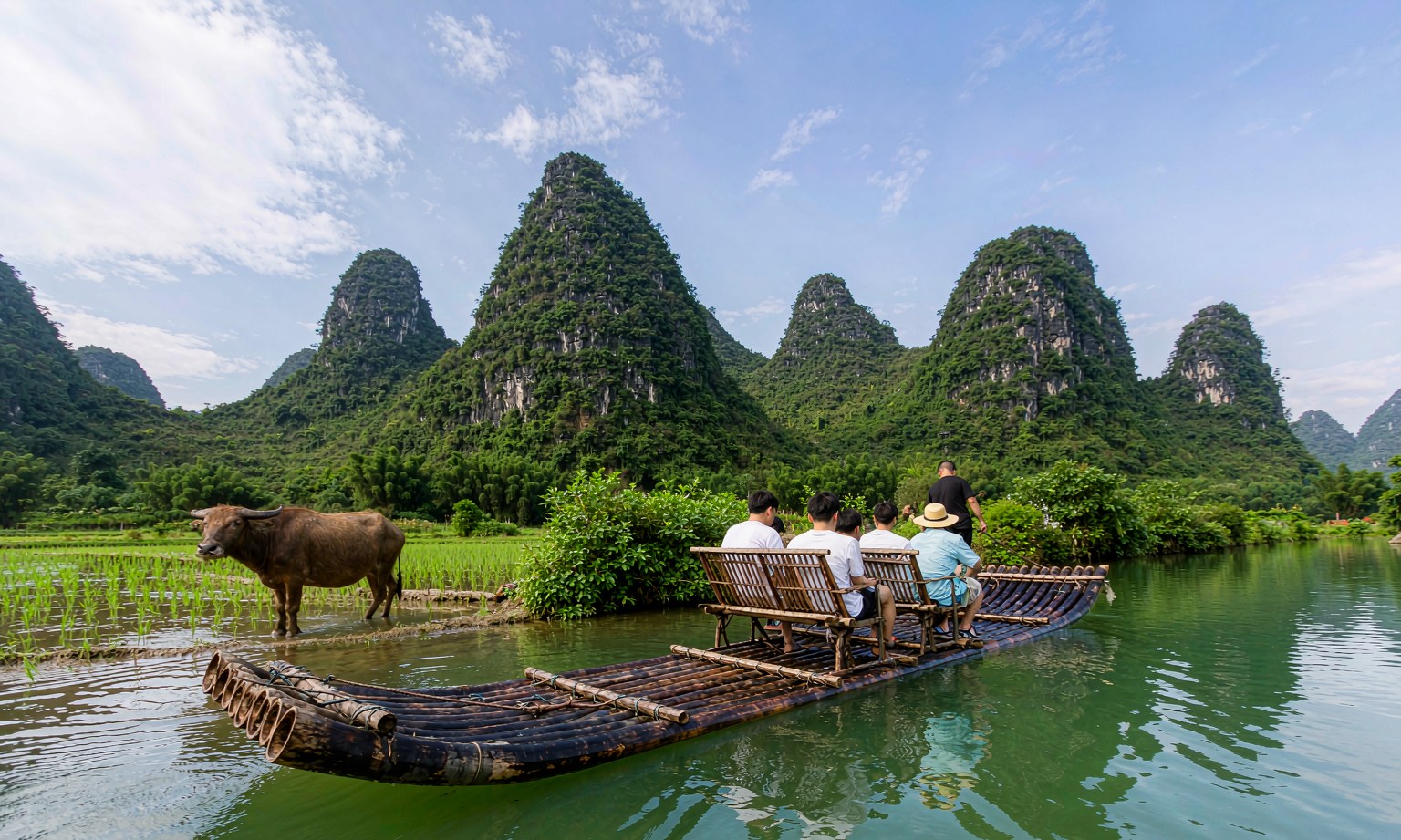
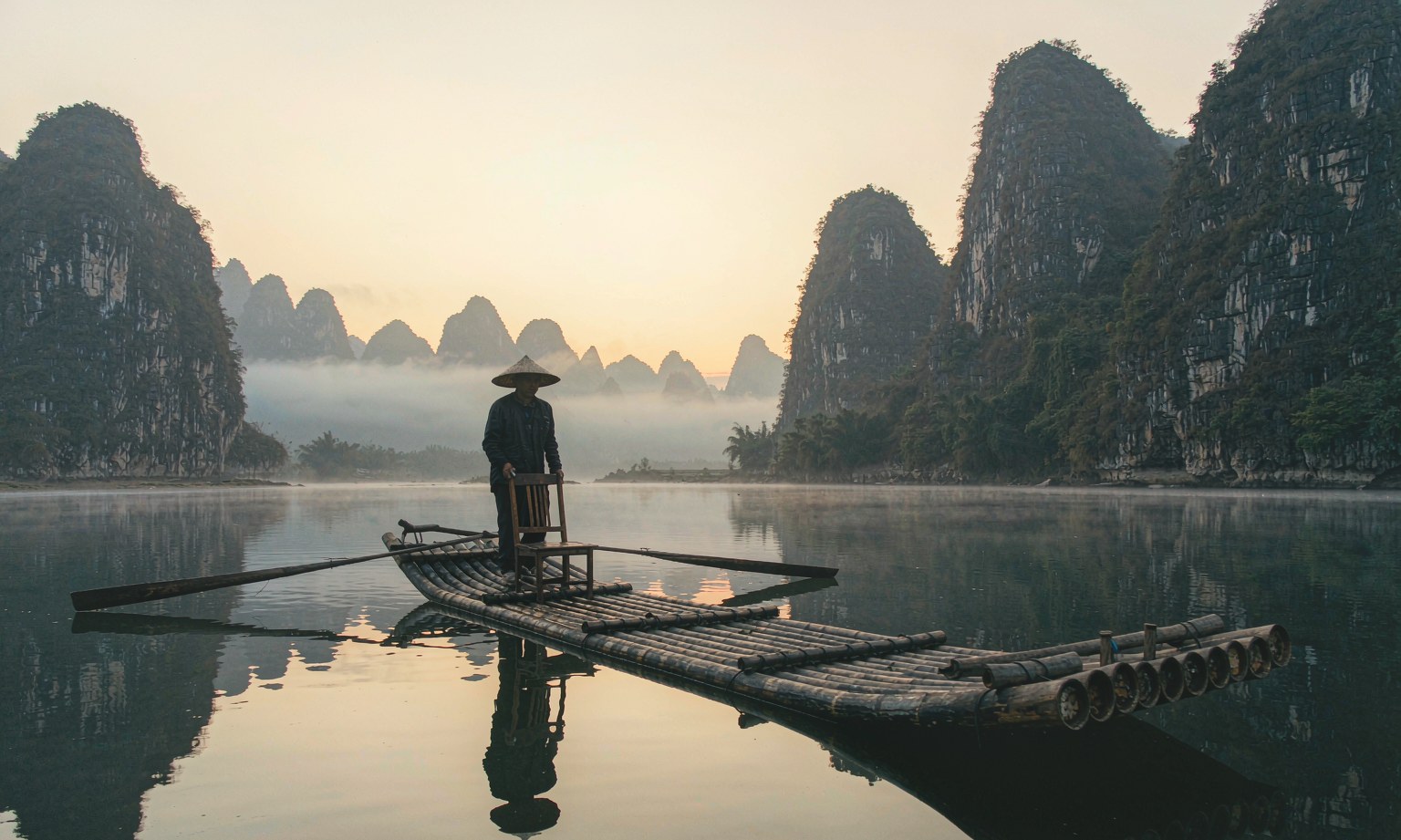
Before boarding, every child is handed a 20-yuan note — the hills on its back are the ones they are about to float past. Ninety minutes on a raft, a hand in the water, water buffalo in the fields: the whole country slowing to walking speed. Then a farmhouse lunch of rice steamed in bamboo and fish the children catch themselves. This is the only day of the trip when everyone goes quiet — no guide needed, just water.

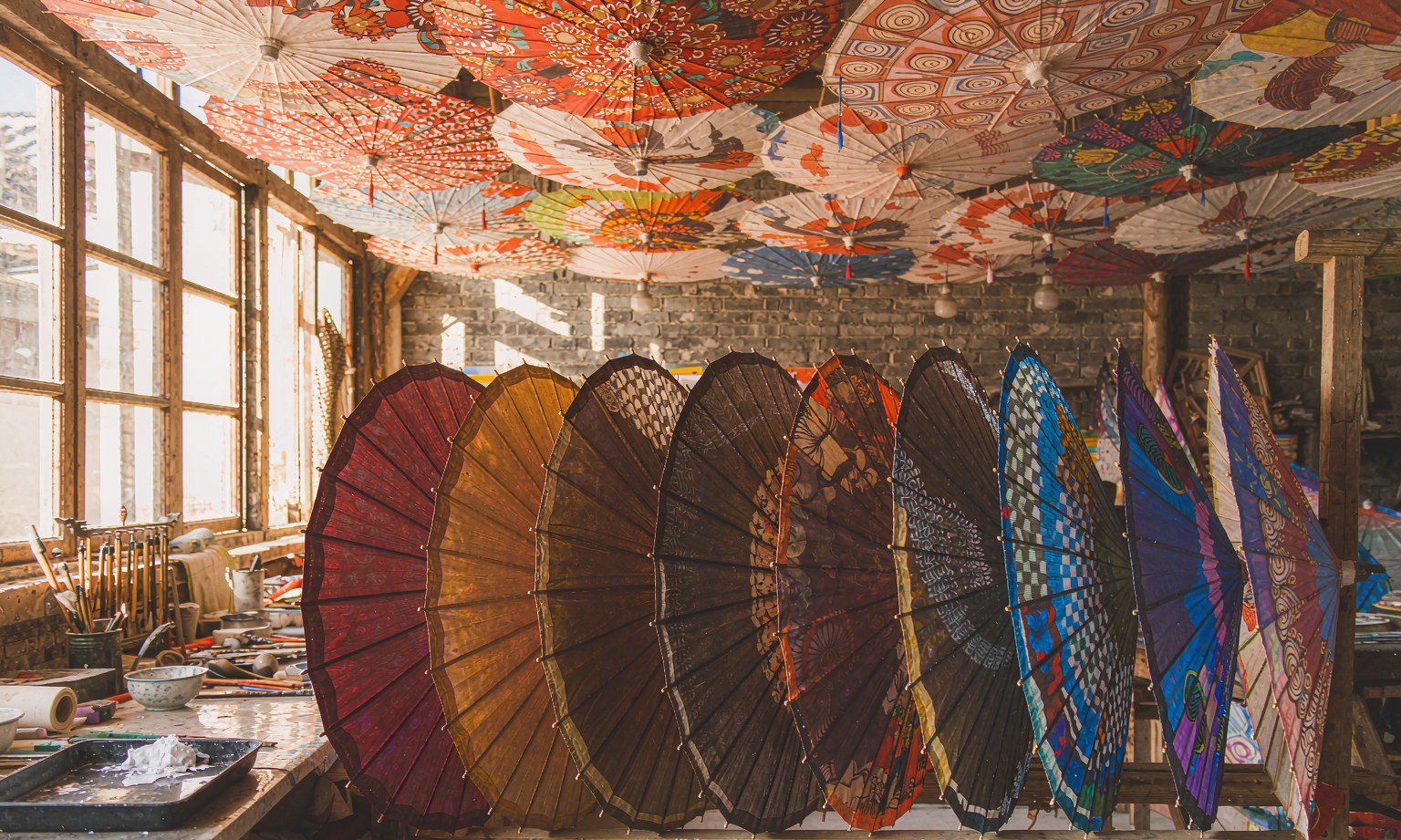
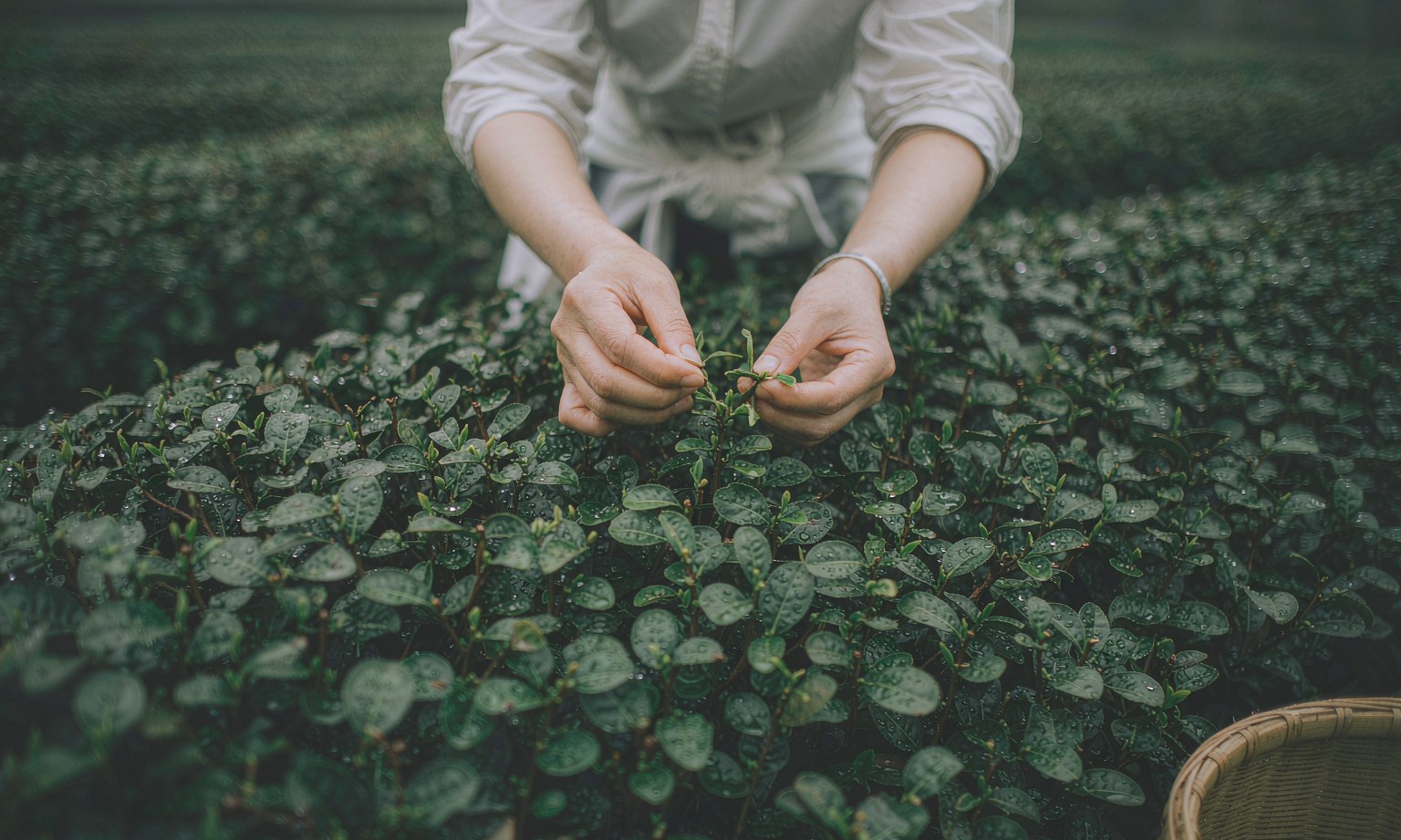
A tea bud grows for a year before it can be picked, and the children pick it at eight in the morning, in a hat, with a basket. Forty minutes of work. Two cups of tea. The jar goes home labelled in Greek and English. In the same city, a worm spins one and a half kilometres of silk, and the children watch it become cloth — then dye some themselves. At night, a boat glides down a canal dug a thousand years ago. Some things have a speed, and no effort of theirs will change it. That is the lesson, and it is never spoken aloud.
A family trip fails in the afternoons, not the mornings. So this itinerary is designed backwards from three o'clock — and four of its rules are written into the contract, not the brochure.
One event the children will remember — a raft, a panda, a jar of tea — and everything else left open. Children do not remember itineraries. They remember the thing they did.
The low-battery hours are protected in every city: nap, pool, or a lemonade that takes two hours. It is the same instinct as the afternoon siesta at home — we simply put it in the timetable.
All four hotels have pools, and it goes into the contract. At three in the afternoon the children are in the water and the parents are having a coffee — a holiday for them too, not just for the kids.
Every vehicle carries a children's officer — counting heads, sunscreen, water, toilets — so the guide can actually guide. Groups are four to six families: enough for friendships, small enough to breathe.
One thing we say before booking, not at the dock: the bamboo rafts have a real age rule — children under seven or under 1.2 metres cannot board. Younger children (and grandparents) ride the same river on a covered boat, same hills, same water, and meet the rafts at the landing. Every age-limited activity has a same-scenery alternative.
Every transfer happens in the morning. Every afternoon belongs to the children — a nap, a pool, or nothing at all.

Every single meal puts three safe things on the table: plain rice, a mild main, fruit. Chilli is a level you choose — shown, explained, always optional. And breakfast has yoghurt, honey and cereal, because the day starts at home speed.
One guide who can tell China to a six-year-old and her grandmother in the same sentence — in English, and in Greek on the days that matter most. Plus a children's officer whose only job is the children. Small groups: four to six families, private from two.
Breakfast with yoghurt, honey and cereal. Lunch after one. Nothing between two and four. Four pools, in the contract. The rhythm of a Greek summer, carried across two continents.
No shops, no "demonstration halls", no costumed shows. And every age-limited activity — the rafts, the tea slopes — has a same-scenery alternative decided before you book, not at the dock.
One message starts it. Nothing is paid before you have read a day-by-day plan with a written price.
Write, call or message — in Greek or in English. Tell us the children's ages and your dates: this itinerary adjusts, and for children under seven we re-draw the Guilin days before you book.
Day by day, with 2027 departure dates for the summer and Easter windows, in Greek or English. Best for children 6–12; from eight up, everything on the trip is open to them.