Fourteen days, four scales — each one larger than the last.
Not a checklist. Five things that happen once, on purpose — and that no other itinerary can copy.
Greece taught you to look up at an acropolis. This journey asks you to step back — until the wall becomes a line, the city becomes a valley, and the river becomes the sea. Scale cannot be told. It has to be stood in front of.

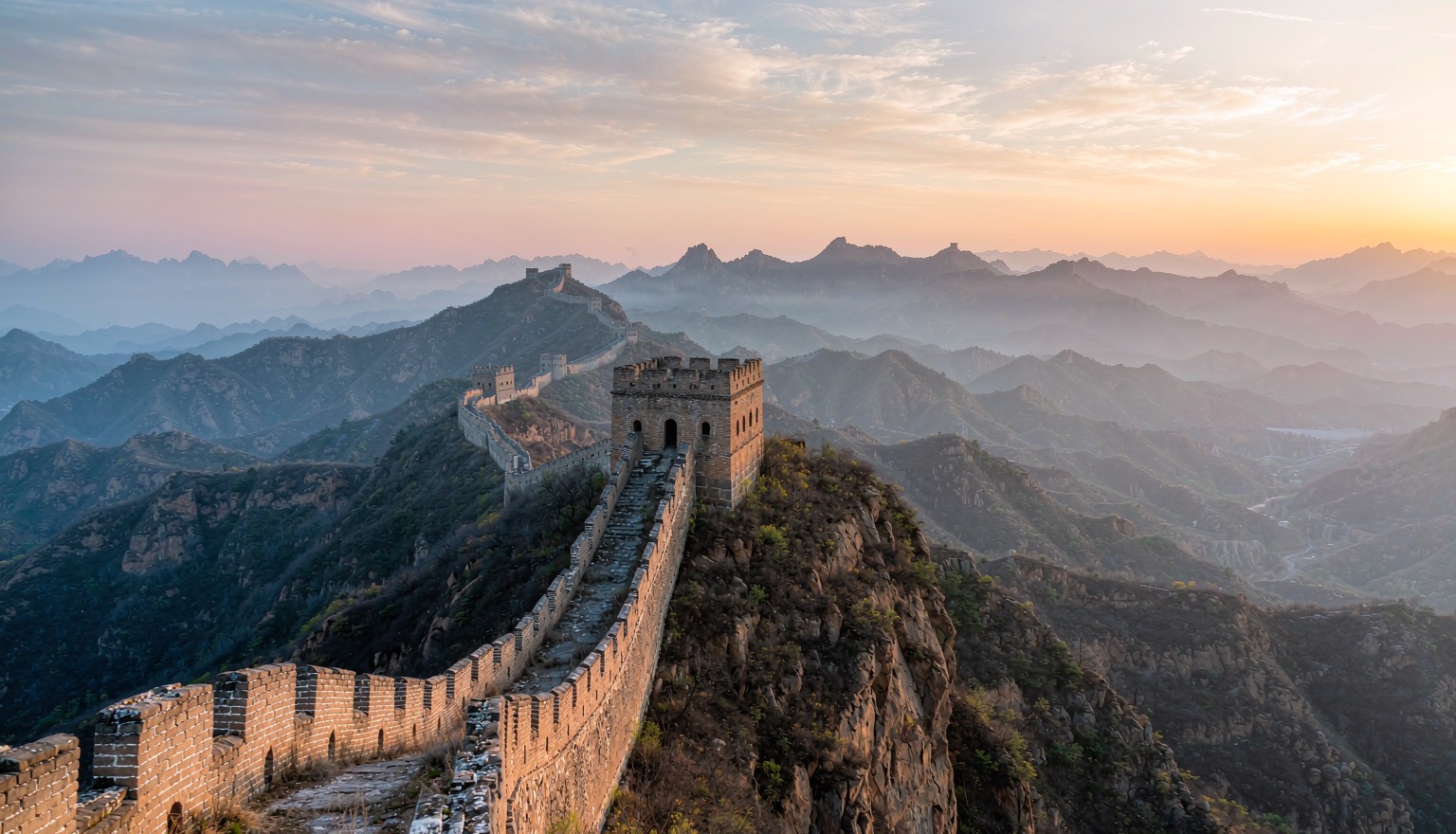
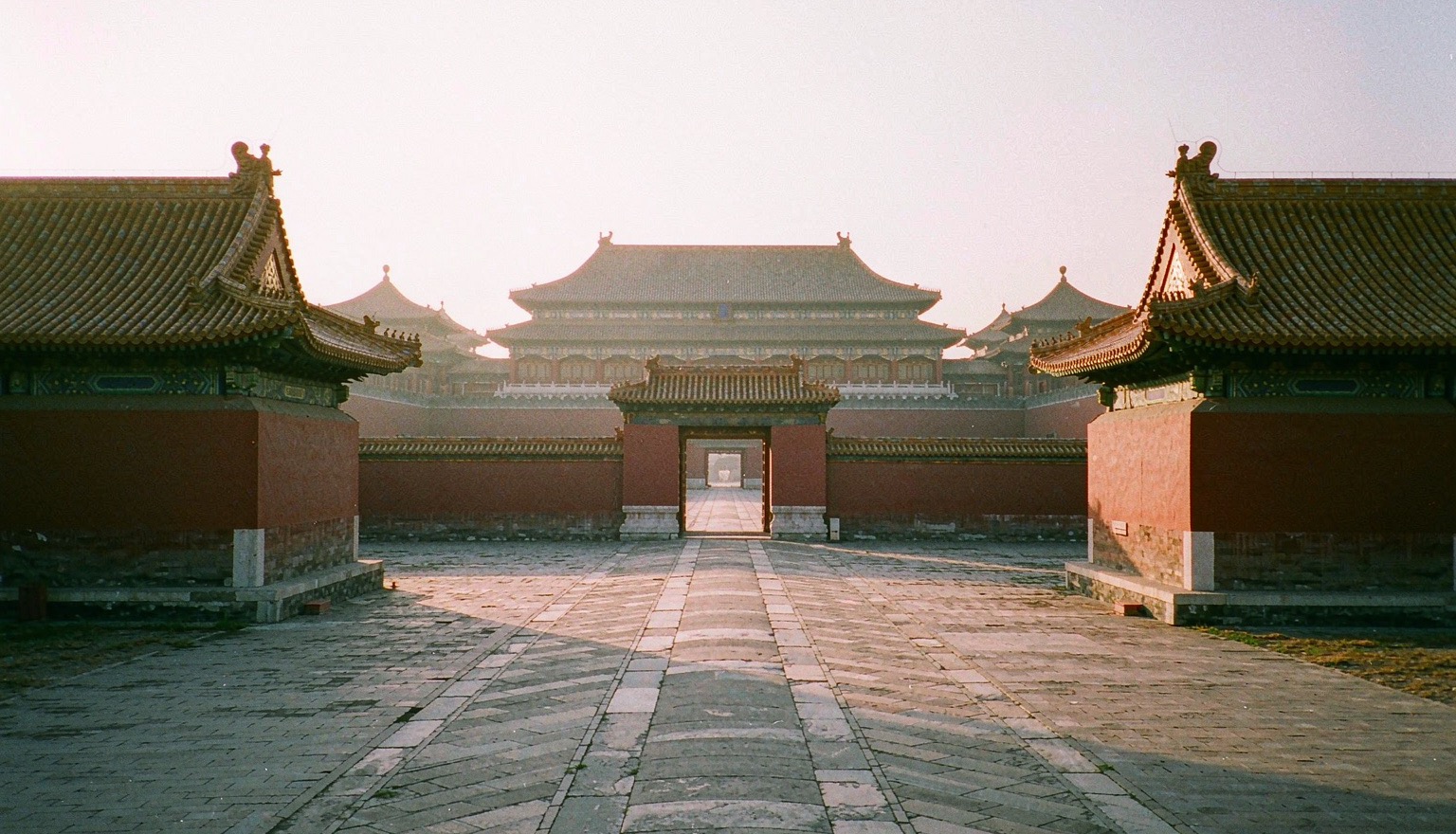
Stand on the wall at Mutianyu and look north: the wall runs along the ridges until it disappears. It is not a fortification you photograph — it is a measuring tape laid across the land. The Forbidden City works the same way: one straight line, gate after gate, order you can walk through. In Beijing you learn how big the idea is. Later, you learn how big the land is.

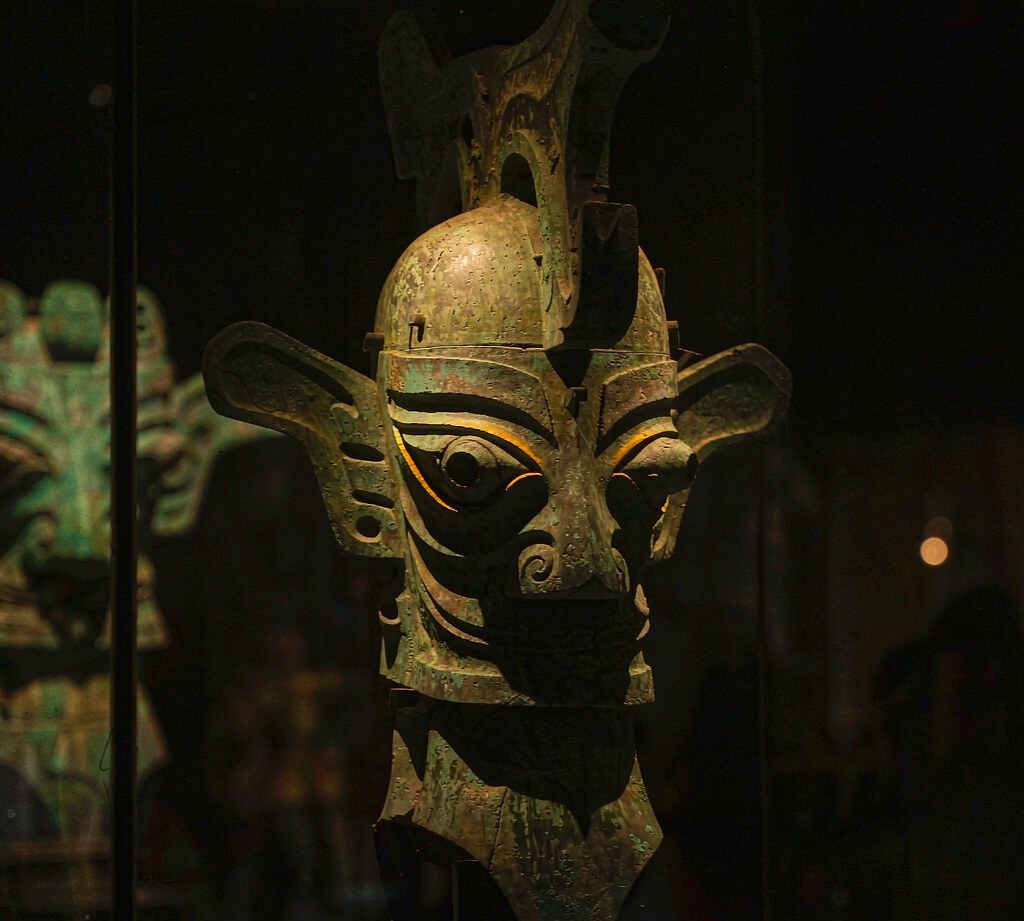
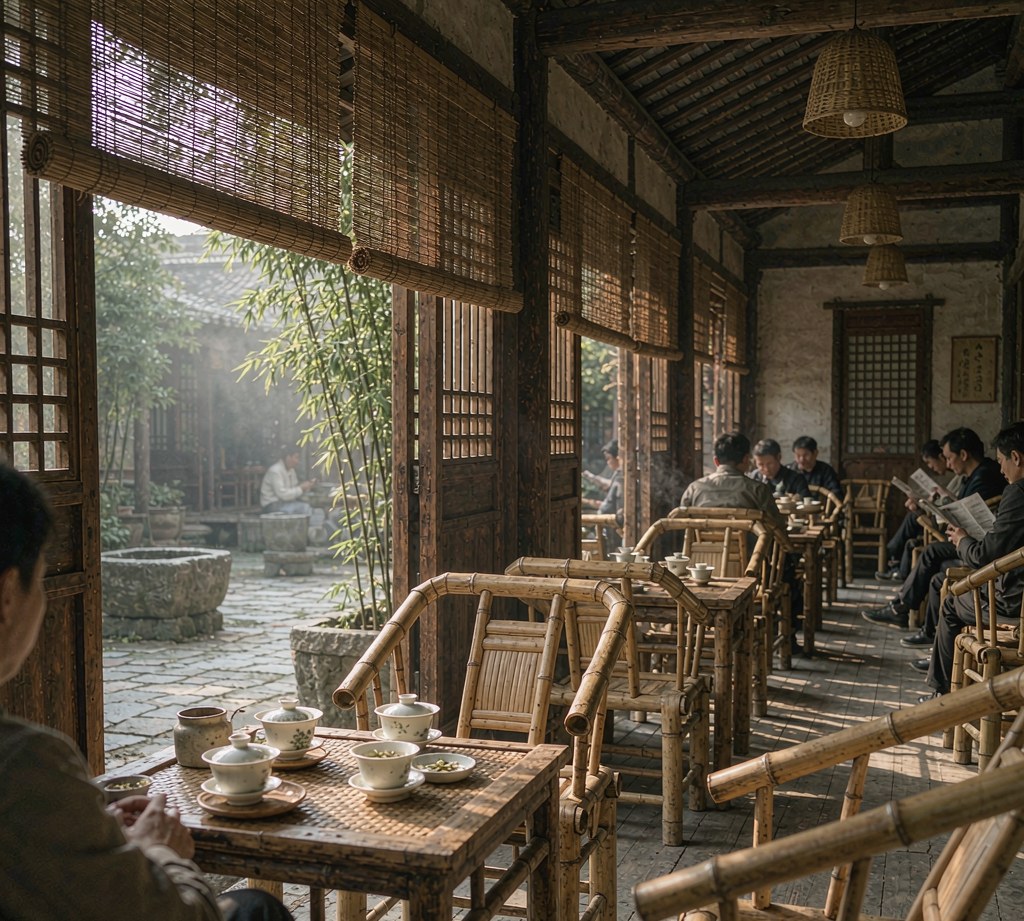
A bronze mask with eyes that push out of its face, three thousand years old, from a kingdom that left no writing and no legend. Greece has a myth for everything; Sanxingdui has none — only the objects, and the questions. Between them: pandas at opening hour, a teahouse that moves at the speed of a refill, and a 2,300-year-old irrigation works still doing its job under your feet.

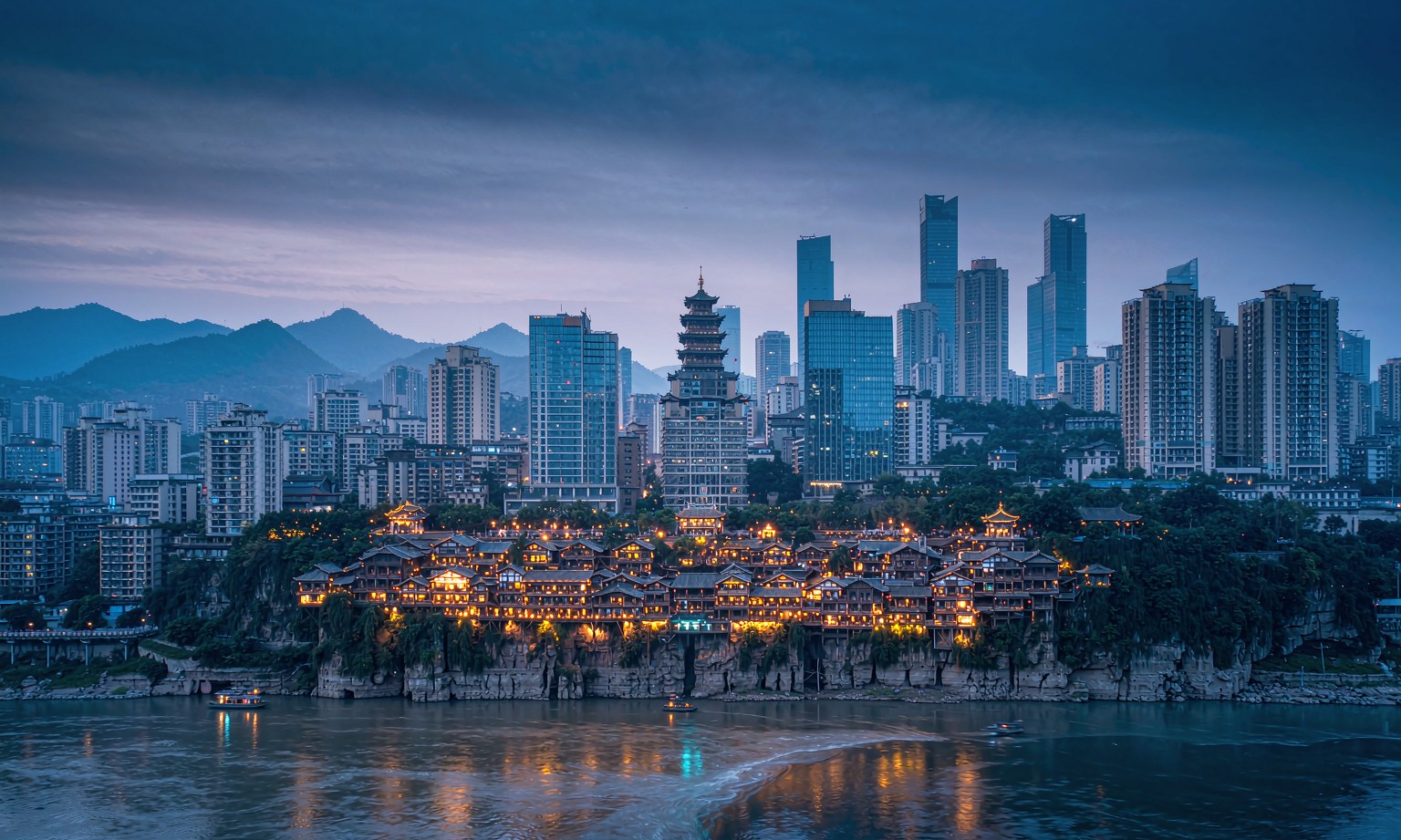
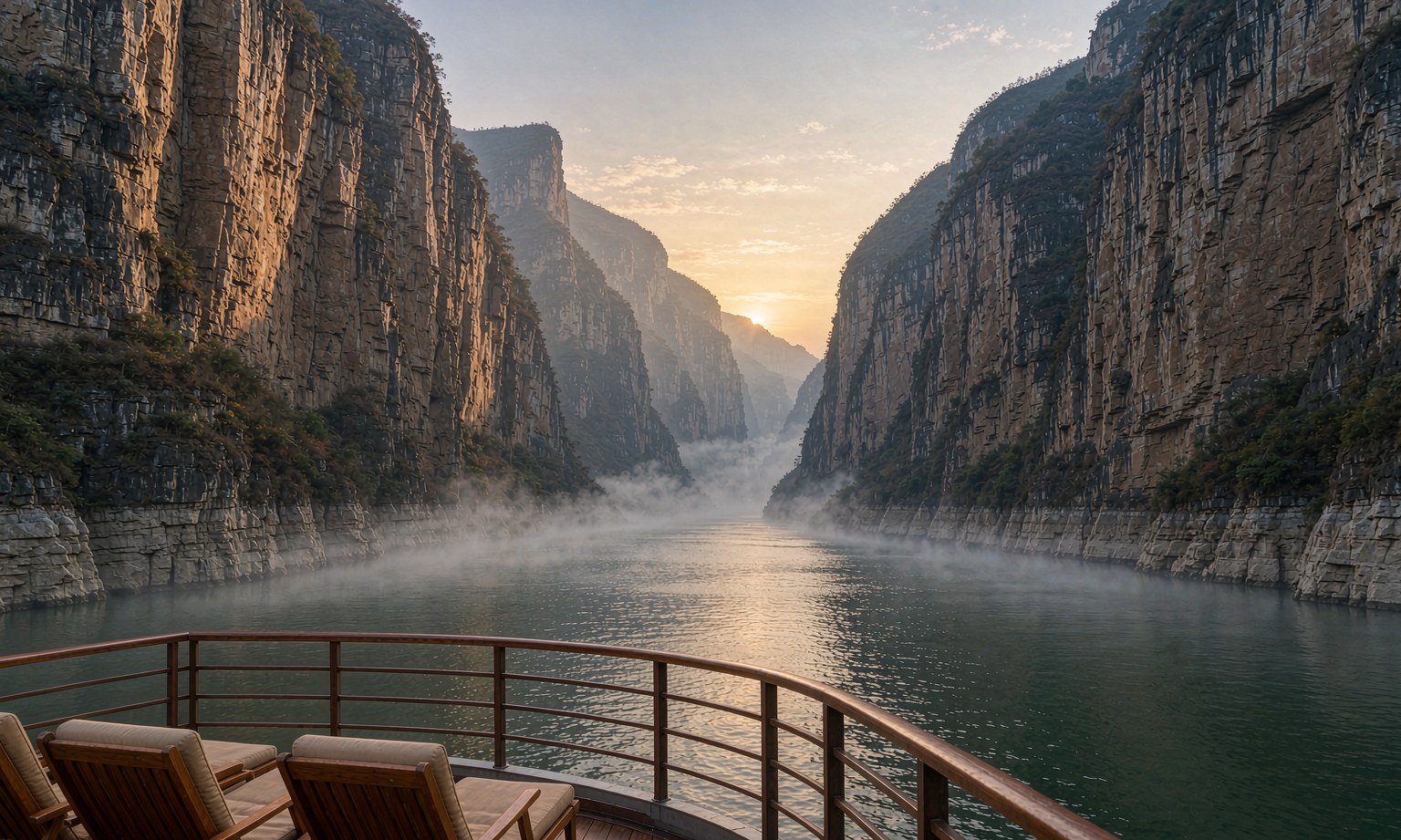
A city with no flat ground; a gorge whose cliffs make the ship feel small; and, on deck, a poem every Chinese child can recite — the one about the gibbons' calls that followed the poet's boat. The calls are gone; the forest thinned some three hundred years ago. The poem stays, and the scale stays. Then the dam — and your own balcony rising a hundred metres inside the ship-lift.

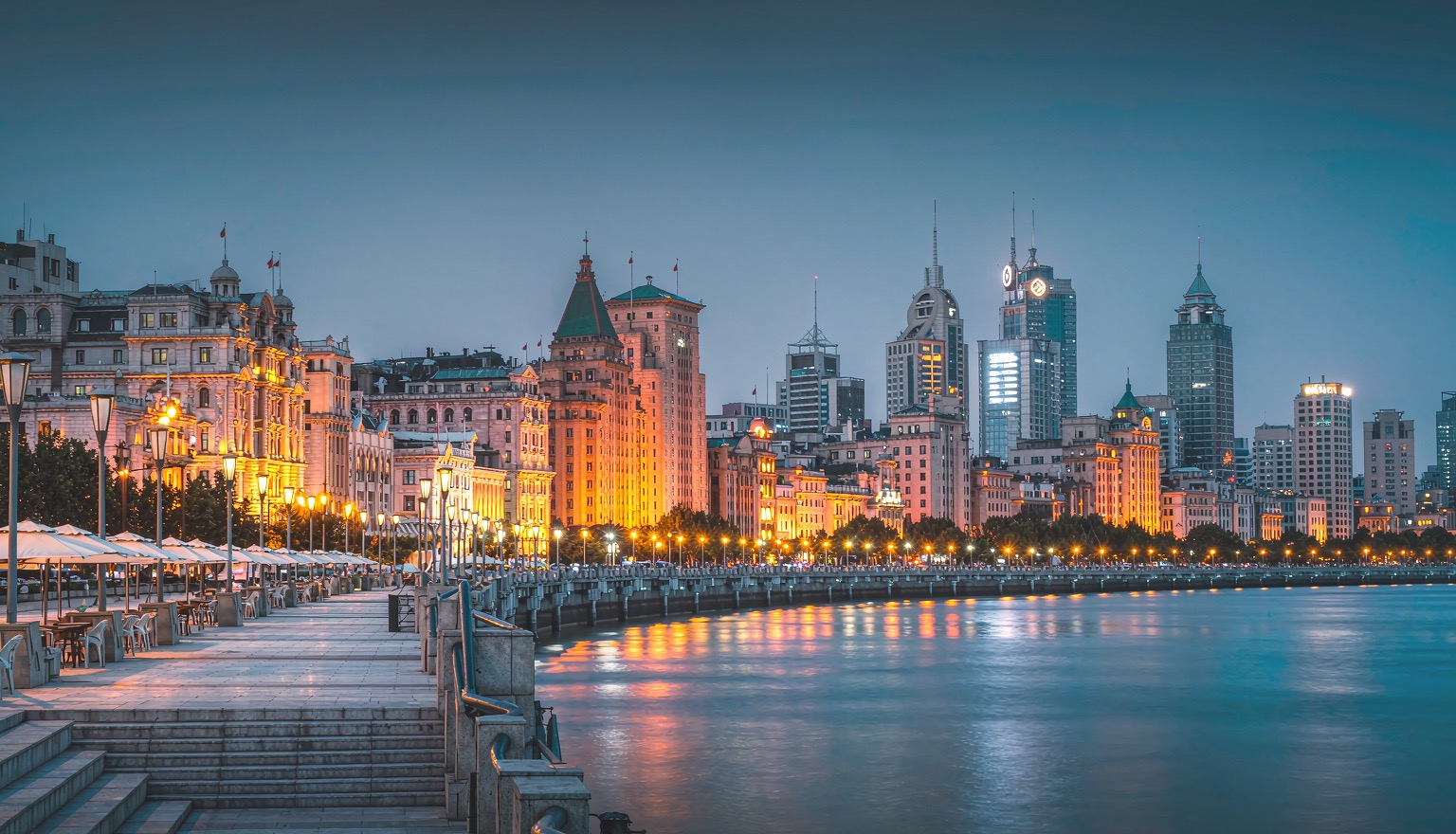
To the sea — and the sea came first. On the Bund, the buildings are famous; the ships are the story. Sea-going freighters, deep in the water, glide past a 1920s stone riverbank toward a 2020s skyline. Watch the ships, not the towers. The last eight days, from a bronze mask to this riverbank, will quietly rearrange themselves into one answer.
Not transport between cities — the reason to come. You board at two in the afternoon and your luggage goes straight to your cabin: for three days you do not touch a suitcase. Mornings on deck, afternoons yours, no hotel check-ins, no buses.
Electrically driven, quiet enough to forget the engine, every room with a balcony, excellent kitchens that take vegetarian and low-salt seriously. The ship we recommend for most travellers — and the one sensitive sleepers thank us for.
Seventy-four suites, one hundred and forty-eight guests, service close to one crew per guest, a doctor on board around the clock. The ship that has hosted heads of state — and the only one built to cross the dam's ship-lift with your own balcony over the water, the chamber wall a metre away.
Both ships are confirmed before booking; the Explorer's suites are limited and sell out early in season.
Afternoons are yours — a nap, a swim, a tea that lasts two hours. On a fourteen-day journey, the rest is not optional. It is the product.

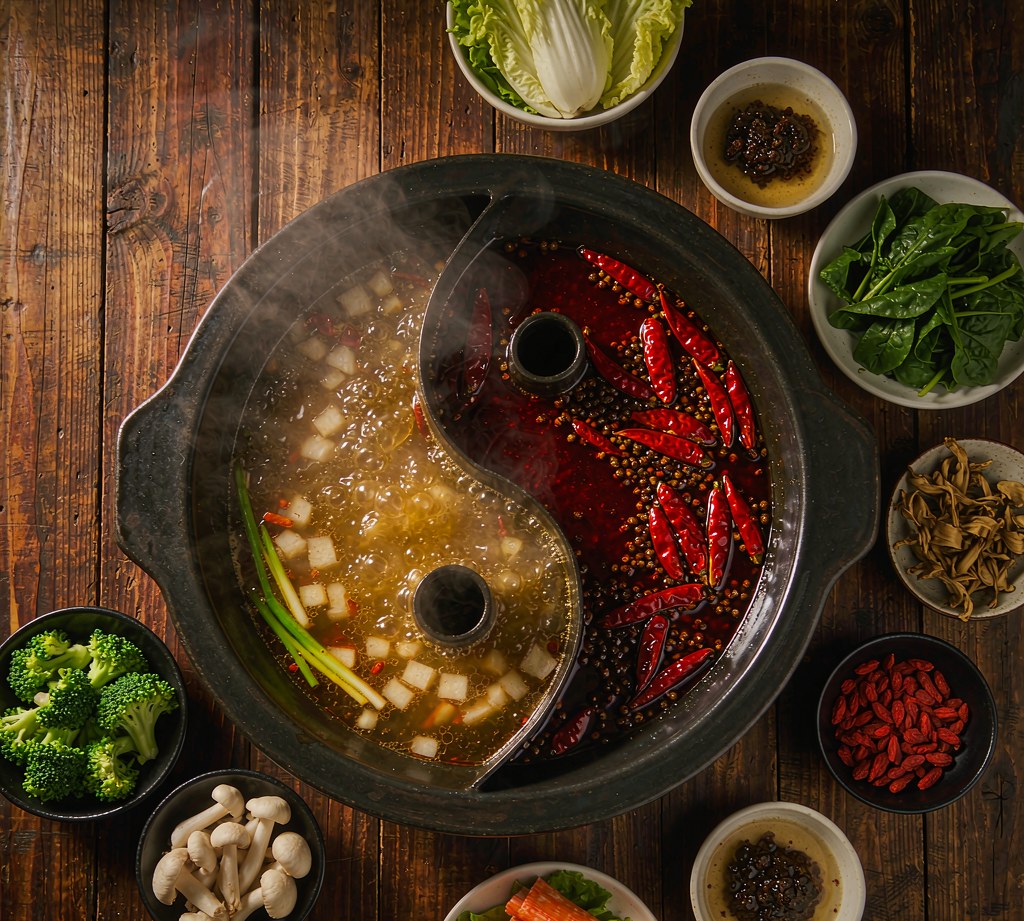
Lunch after one, dinner after half past seven, coffee at four. Every meal has at least one dish you recognise. And chilli is a level you choose — explained, shown, and always optional — never a surprise.
Not an interpreter between you and China, but a guide who tells it through the stories you grew up with — in English, and in Greek on the days that matter most. Fourteen days, two guides — because nobody stays brilliant on day ten.
Lunch after one, dinner after half past seven, and a breakfast table with yoghurt, honey and olives. In fourteen days this matters twice as much.
No shops, no "demonstration halls", no detours. And never more than two things in a day — on a journey this long, the pace is the luxury.
One message starts it. Nothing is paid before you have read a day-by-day plan with a written price.
Write, call or message — in Greek or in English. And if fourteen days do not fit you, tell us which days do: this itinerary adjusts.
Day by day, with dates for 2027, in Greek or English. If the dates we publish do not suit you, tell us the ones that do — private departures from four guests, and shorter or longer versions on request.